
Proactive cybersecurity: waiting for the incident is no longer an option
The cost of a breach is measured in continuity and trust, not just money. How to move from a reactive posture to layered defense.
The question is no longer whether your organization will be targeted, but when. Security incidents have stopped being extraordinary events and become a permanent operational risk, on the same order as a power outage or the failure of a critical supplier.
The real cost of a breach
When the cost of an incident comes up, the conversation usually centers on the ransom figure or the regulatory fine. But the costs that hurt most are different:
- Days of halted operations while the incident is contained and recovered from.
- Customer trust that took years to build and erodes in hours.
- Your best people's hours diverted from strategic projects to remediation.
Layered defense, not a miracle product
There is no single tool that solves security. There is an architecture: successive layers where the failure of one is contained by the next.
- Identity first. Most modern breaches don't break down the door: they walk in with stolen credentials. Multi-factor authentication and least privilege are not optional.
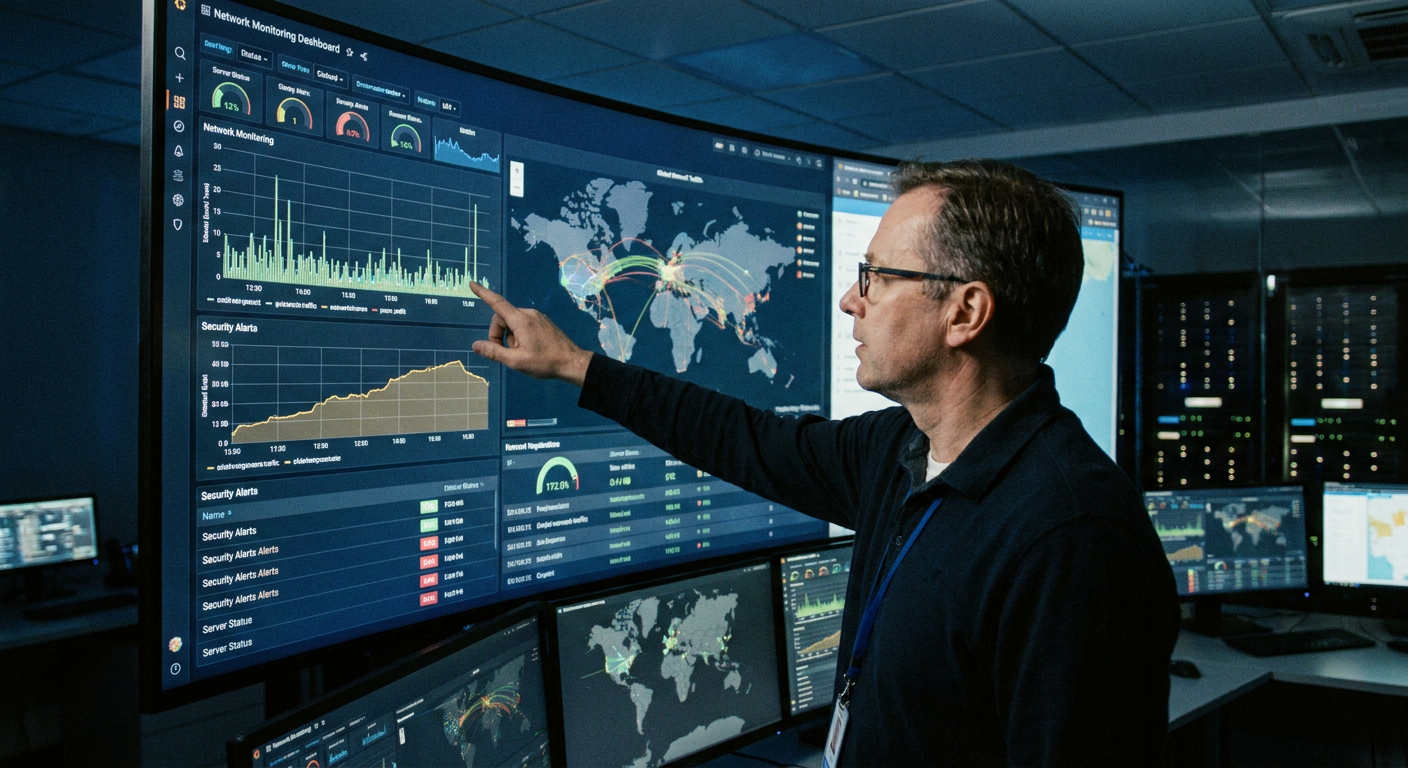
- Continuous visibility. You cannot defend what you cannot see. Real-time monitoring turns weeks of silent intrusion into minutes of detection.
- A rehearsed response plan. An incident plan that has never been practiced is a document, not a capability. Drills reveal the gaps before the attacker does.
Where to start
If your organization hasn't run a vulnerability audit in the past year, that's the starting point. An honest assessment costs a fraction of what it costs to discover the same weaknesses during an incident.
Security is not a project with an end date: it's an operational discipline. Our job is to help you sustain it without turning your company into a security company.